

I have nine rose bushes along my back fence. A David Austin climber that has been there since we moved in, five hybrid teas I planted myself over the years, and three small shrub roses that were already going wild when I inherited the bed. Every spring I spend a solid two hours out there with a pruner, cutting back the dead wood, opening up the centers, taking off the winter damage. It is one of my favorite mornings of the year. Except for the two seasons when the pruner I was using made it miserable. The Felco F5 is the pruner that finally made that morning easy.
The first one was a $12 bypass pruner from a hardware store end-cap. It worked fine on the small stuff. Then I hit the climber, where some of the canes are close to three-quarters of an inch across, and the blade started deflecting instead of cutting. I had to saw through canes. The second one was a step up, about $22, and it lasted most of one season before the spring tension gave out and the blades started binding on every cut. I sent both pruners to the trash bin in the same year. That was the season I started paying attention to what serious gardeners were actually using.
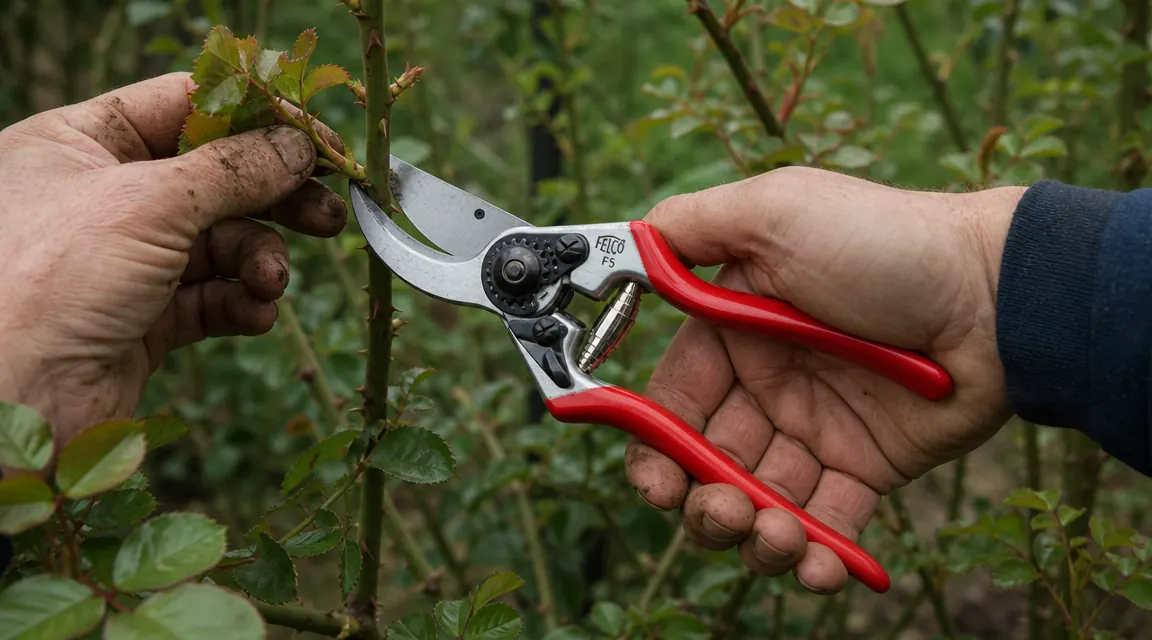
Every name I kept running into was Felco. Specifically the Felco F5, which is the standard-grip all-steel model designed for larger hands or anyone who needs a bit more leverage. I am not going to pretend the price did not give me pause. You can see today's price on Amazon and it is not cheap by hardware-store standards. But I had just thrown away two pruners in twelve months, so the math started looking different.
I ordered one in late February and had it in time for the early spring cleanup. The first thing I noticed when I pulled it out of the box was the weight. It is all steel, no plastic handles, and it feels like something that was made to last rather than made to ship. The blades come sharp from the factory. The first cane I cut, a thick piece of dead wood on the climber that would have stopped my old pruner cold, went through in one clean squeeze. Not a hack, not a sawing motion. One motion, one cut.
The first cane I cut, a thick piece of dead wood on the climber that would have stopped my old pruner cold, went through in one clean squeeze. That was the moment I understood what I had been missing.
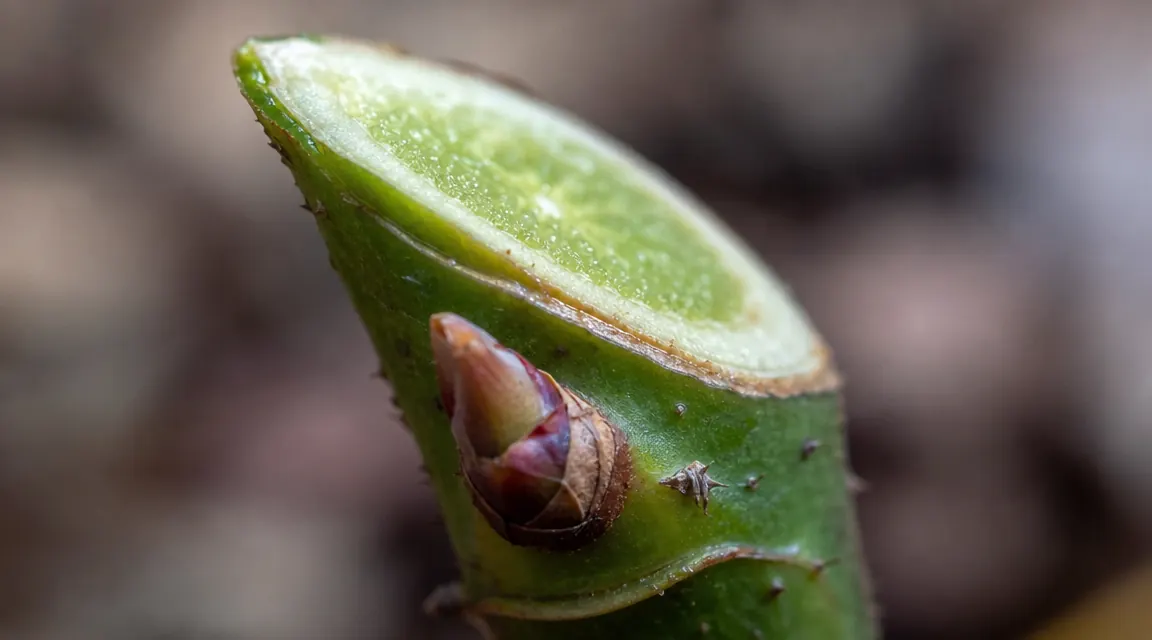
What I did not expect was how much better the roses responded. I know that sounds dramatic but clean cuts heal faster than ragged ones. My hybrid teas pushed new growth earlier than they had in previous years, and I had fewer canes that died back below the cut. I am not a horticulturalist. I cannot prove the Felco was the only variable. But I cut cleaner, and the plants did better, and those two things happened in the same season.
If you are still working through rose canes with a pruner that deflects and binds, here is the one I switched to.
The Felco F5 is the standard-grip all-steel model. It cuts up to 1.1 inches in diameter, ships sharp, and every part on it is replaceable if something ever wears out. Over 31,000 reviews on Amazon and rated 4.8 out of 5.
Amazon Check Today's Price on Amazon →The second thing that surprised me was how my hand felt at the end of a long pruning session. My old pruners had plastic grips that looked ergonomic but transferred the shock of every cut straight into my palm. After two hours on the roses I would have a sore spot at the base of my thumb. The Felco has a cushioned stop and the blade geometry is designed so the cut does most of the work. After my first full spring session with it, no soreness. I went back out the same afternoon and deadheaded the whole row.

I have been using it for two full growing seasons now. It has been through the spring cleanup, the summer deadheading, the fall cutback, and a particularly thorny session where I had to clear out a wisteria that had gotten into the back of the climbing rose. The blades are still sharp. The spring action still feels right. Felco sells replacement blades, springs, and every other part individually, so if something ever does wear out, I am replacing a part, not a whole tool. That is not how most tools work anymore.
I also want to mention what I do not love, because I think you deserve the honest version. The Felco F5 is a large-grip pruner, which is right for my hand but may not be right for yours. If you have smaller hands, the F2 is the classic-size model and a lot of people prefer it. Also, the all-steel build means it is heavier than a plastic-handled pruner. That weight difference is noticeable if you are doing hours of work. Most people find it worth it for the feedback and durability, but it is worth knowing. If you want more detail on the tradeoffs before you buy, my full rundown of what the Felco F5 gets right and where it falls short is in the honest review here. And if you are unsure whether a bypass pruner is even the right tool for what you are doing, I wrote a piece comparing bypass versus anvil designs that lays out why bypass almost always wins for home gardeners.
What I Would Tell You If We Were Sitting at My Kitchen Table
Here is the thing. You are going to spend money on a pruner eventually. Either you buy a decent one now or you buy two or three cheap ones that frustrate you until you finally break down and buy a decent one. I did the second path. Two pruners in a year, both in the trash. I wish I had just bought the Felco first. Not because it is the most expensive option, but because it is the one that still works the same way it did the day I bought it. My roses look better. My hands feel better at the end of a session. And I do not dread the spring cleanup anymore. I look forward to it. That is what a tool is supposed to do.
Stop replacing cheap pruners every season. The Felco F5 is the one I wish I had bought two years earlier.
Swiss-made, all-steel, with replaceable parts so it can last decades with basic maintenance. If your rose garden deserves clean cuts, this is the tool for the job.
Amazon Check Today's Price on Amazon →